This Post Will Show You How To Cook Delicious Oha Soup – Authentic Nigerian Recipes
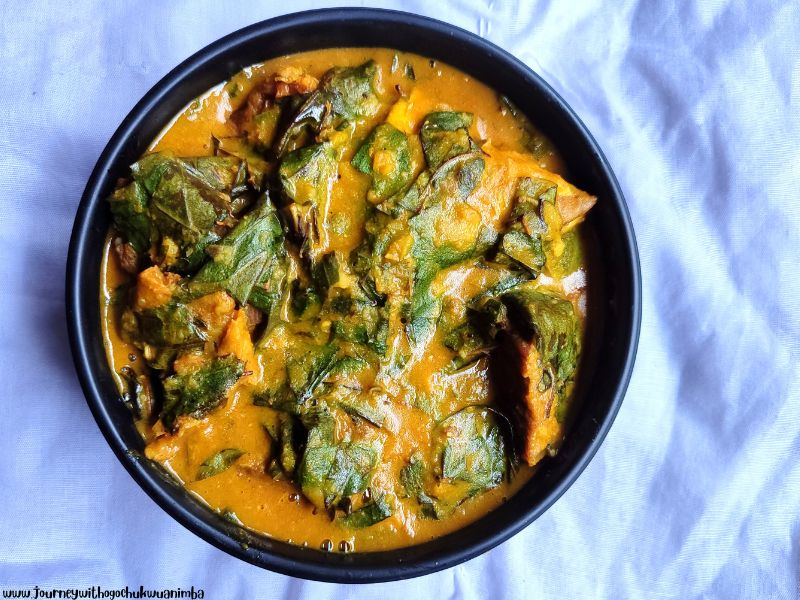
Oha soup is also called Ora soup, is one of those dishes that speaks home. Made from palm fruit, cocoyam, fresh Oha leaves, and soft meat, it is a heart-warming soup that Nigerian loved. This is a complete, simple guide to making Oha the traditional way. I will show you every step, what you need and how to choose the best ingredients. I will also share tips so your soup tastes like it came from the old kitchen.
This my recipe follows old cooking ways. It is honest, full of flavor and uses real, easy-to-find ingredients. Even if you do not have every item, you can still make a lovely Oha soup and get the taste that reminds you of home.
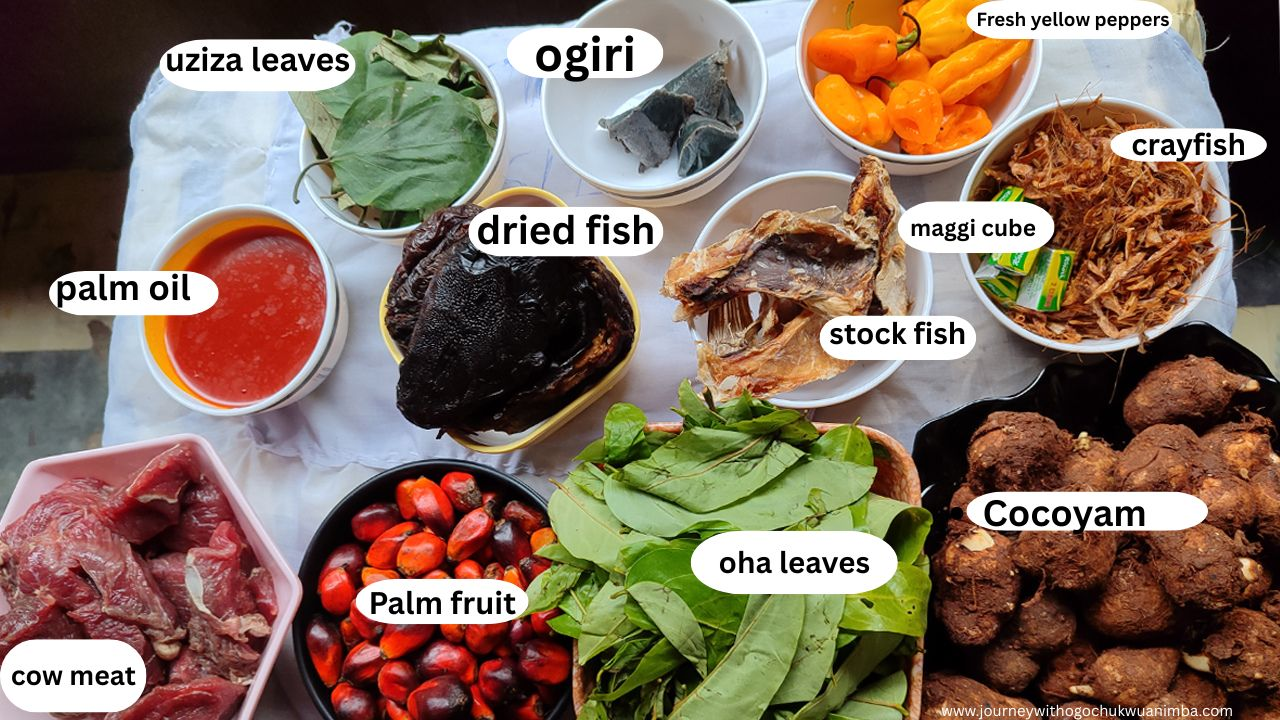
ingredients
-
A small bunch of fresh Oha (Ora) leaves
-
A small bunch of uziza leaves
-
Palm fruit (also called Akwu)
-
Cocoyam
-
Beef (with bones for flavor, like ribs)
-
Dry fish
-
Stockfish
-
crayfish
-
Ogiri Igbo (fermented oil seed)
-
Seasoning cubes
-
Fresh yellow habanero peppers (or Ose Nsukka)
-
Salt
Optional: smoked fish, shredded smoked cow skin (ponmo)
Tools and utensils
-
A large cooking pot with a tight lid.
-
Mortar and pestle for pounding cocoyam and palm fruit (a strong blender can work as a modern option).
-
A sieve or muslin cloth to strain the palm fruit concentrate.
-
Wooden spoon or ladle for stirring.
-
A clean cutting board and knife (but you will tear Oha leaves by hand. please do not cut with a knife.
-
A bowl to hold the chopped leaves.
Things you Need To before you start
-
Soak dry fish and stockfish in clean water to soften. Change the water if it is too strong. Clean them with a brush and remove bones where needed.
-
Cook the palm fruits until the flesh comes away easily from the seed. Pound to a smooth pulp, then sieve to get the concentrated palm oil and pulp (this is the rich base of the soup).
-
Boil the cocoyam until soft. Peel, then pound to a smooth, soft paste. This paste will thicken the soup when it dissolves into the pot.
-
Oha leaves darken when overcut or overcooked. Always tear Oha gently with your fingers into small pieces. Avoid slicing with a knife.
-
Uziza leaves are optional but add a warm peppery aroma. If you cannot find uziza, you can skip it, but the flavor will be slightly different.
Step-by-step cooking method
-
Prepare the meat and fish.
Rinse the beef, stockfish, and dry fish. Put the meat and stockfish in a large pot. Crush the seasoning cubes into the pot, add salt lightly, pour water to just cover the meat, and boil until tender. Cooking over medium heat gives the best result. When the meat is soft, remove the stockfish, debone and break it into small pieces, then set aside. -
Make your palm fruit concentrate.
If you bought canned palm fruit or ready-made palm nut concentrate, you can use that. For fresh palm fruit: when the fruit is cooked soft, rub the flesh off the nut with your fingers. Pound in a mortar until smooth, then add warm water and sieve through a thin cloth or sieve to separate the juice (concentrate) from chaff and bits. The smooth, orange concentrate is what you add to the meat pot. -
Combine the palm concentrate with the cooked meat.
Slowly pour the palm fruit concentrate into the pot of cooked meat. Pour carefully to avoid the sediment at the bottom of your container. Stir to mix. Cover and let it come to a gentle boil. -
Add dried seafood and spices.
Add the broken stockfish pieces, the soaked dry fish, and the ground crayfish. Crush the fresh habanero peppers and add to the pot (or add them whole if you prefer less heat). Cover and let it simmer so all the flavours blend. -
Add the ogiri and cocoyam paste.
When the soup is bubbling, scoop small handfuls of the cocoyam paste and add them to the pot little by little. Stir gently to help the cocoyam dissolve. If the cocoyam breaks into lumps, keep stirring the bottom so it melts and thickens the soup. Add a small amount of ogiri Igbo — its strong smell will fade with cooking but it adds a deep savory note. -
Cook until the cocoyam blends completely.
Keep the pot on low heat and stir occasionally. The cocoyam will break and thicken the palm base. Taste and adjust salt or seasoning cubes if needed. This stage is important: do not rush. Let the cocoyam dissolve fully to create a smooth, rich body to the soup. -
Add the leaves last.
Just when the soup is done and thick, add the uziza leaves first, stir for a short time, then add the Oha leaves torn by hand. Oha softens quickly, so add it off the heat or on very low heat. Stir once gently, taste, and add salt if needed. Turn off the fire and transfer the pot to a cool place quickly to keep the Oha bright and green.
Serving suggestions
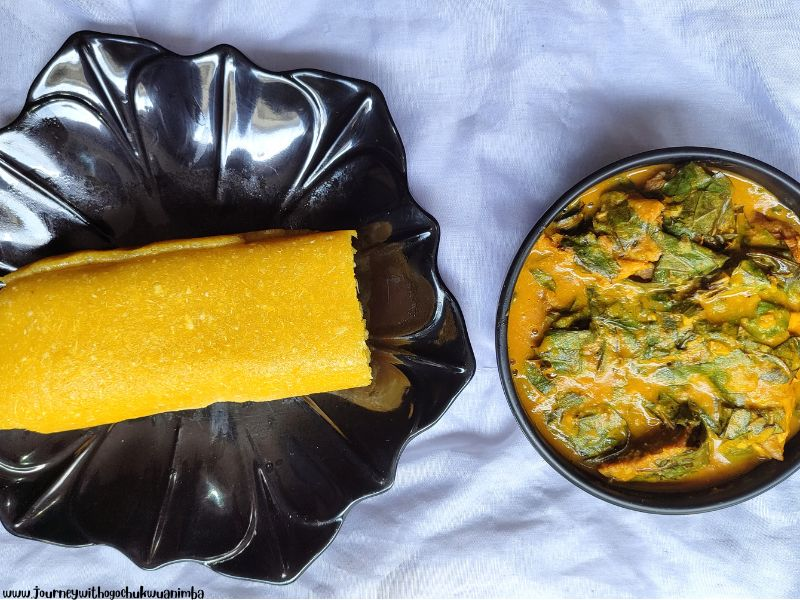
Oha soup is best with any kind of Nigerian fufu. pounded yam, garri (eba), fufu, semolina, or even low-carb fufu options. Serve hot with a generous ladle of soup and tender meat pieces. The aroma of ogiri and uziza makes the dish Yummy
Small secrets You Need To Know
-
Tear Oha by hand: Oha leaves lose color when cut with metal. Tearing with fingers keeps the colour and texture.
-
Control the heat: Oha cooks quickly. Add it at the end and avoid long cooking time after adding the leaves.
-
Use bones: Meat with bones gives a richer stock. Ribs, knuckle, or shank are great choices.
-
Substitute if needed: If you do not have cocoyam, some cooks use achi or ground achi, or a small amount of garri mixed with water, but the taste and texture will change. Canned palm nut is okay when fresh palm fruit is not available.
-
Keep it traditional: The ogiri gives a bold, deep flavour. If you are new to ogiri, start with a small amount; its flavour grows as the soup cooks.
-
For a smoky taste: Add smoked fish or lightly smoked ponmo to introduce a smoky depth.
Common mistakes to avoid
-
Adding Oha too early. This makes leaves dark and limp.
-
Skipping the sieving of palm fruit. Unfiltered chaff can make the soup gritty.
-
Overcooking cocoyam lumps without stirring — this leaves raw bits. Stir to dissolve.
-
Using a blender to puree Oha leaves. The leaves’ texture will change; always tear by hand.
Health Benefit
Oha soup is rich and filling. It contains healthy fats from palm fruit, protein from meat and fish, and vitamins from Oha and uziza leaves. Eat in moderation, and balance with vegetables and grains as needed.
Storage and reheating
Cool the soup to room temperature, then store in an airtight container in the fridge for up to 2 days. When reheating, do so gently on low heat to keep the leaves from overcooking. The soup thickens on standing; add a little hot water when reheating to return it to the right consistency.
A short guide to picking the freshest ingredients
-
Oha leaves: Look for green, lively leaves without dark spots.
-
Uziza: Leaves should smell slightly peppery; avoid yellowing leaves.
-
Palm fruit: If fresh, choose ripe, bright orange pulp after cooking; canned jars should be full-bodied with good oil on top.
-
Cocoyam: Firm but not wrinkled. When boiled, it should mash smooth.
-
Meat: Fresh smell, bright color; bones are fine — they add flavor.
Quick FAQ
Q: Best thickener for Oha soup: Traditionally, cocoyam (ede) is the best thickener for Oha soup. It gives the soup a smooth, rich texture and blends well with the palm fruit base
Q: What is Oha leaf called in English? Oha leaf is commonly called African Rosewood Leaf in English
Conclusion
Oha soup is a dish that brings family together. It is a simple yet deep meal, layered with flavors from palm fruit, cocoyam, ogiri, and the bright Oha leaves. Follow these steps, use good ingredients and cook with patience. The result will be a bowl of soup that tastes like home.
You May Also Like: