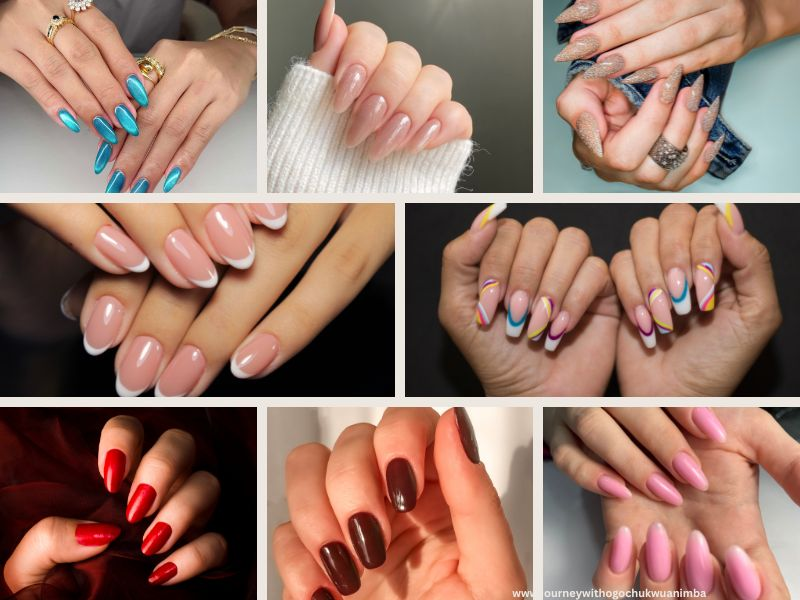
Sometimes we can’t go to the salon. Maybe you are busy, low on cash, or just tired. That is okay. You can remove your nails at home safely. The secret is to be gentle and to follow the right steps. This guide will teach you how to take off many kinds of nail enhancements without hurting your real nails.
This guide is simple. I will show you what nails you can remove at home, the things you need, and step-by-step instructions. I will also share safety tips, aftercare.
Which nail types can you remove at home?
If the product says it comes off with acetone, you can use the methods in this guide. That includes:
-
Gel polish
-
Dipping powder (dip nails)
-
Poly Gel
-
Builder gel
-
Soft gel (soak-off gel)
If you have special hard systems or something that will not soak off, see a pro. If your nails hurt or bleed, stop and visit a salon or a doctor.
What tools and products do you need
You do not need a fancy salon. But gathering the right supplies makes the job easier and safer.
Essentials:
-
Pure acetone (100% acetone) — you can buy it at beauty stores, pharmacies, or hardware stores.
-
Cotton pads or cotton balls cut into quarters.
-
Soak pads or “soakers” (reusable fabric pads that hold acetone) — nice to have because they are tidy and kinder to the environment. You can use aluminum foil instead if you don’t have soakers.
-
Low-grit nail file (for heavy filing) — a 100/100 grit file works for removing product.
-
Nail buffer (to smooth the nail after removal).
-
Cuticle oil and hand cream (for aftercare).
-
Cuticle pusher (or orange stick) to gently push off softened product.
-
Nail clippers (to shorten long tips).
-
Optional: Electric nail file (e-file) with a smooth barrel bit — this is faster but you must know how to use it or you can hurt your nails.
Safety note: If you use an e-file, take a course or ask someone trained to show you. A drill can remove too much nail if used wrong.
Safety tips before you start
-
Work in a well-ventilated room. Acetone smells strong.
-
Keep acetone away from flames and heat. It is flammable.
-
Do not soak your whole hand in acetone for a very long time. Use small cotton pads or soakies.
-
Protect the skin around your nails with a little petroleum jelly or cuticle oil. This helps stop the skin from drying.
-
Be gentle. If a nail hurts or bleeds, stop. See a pro if you are worried.
Method A — The Acetone Soak (Most reliable)
This is the method used in salons. It works for gel, acrylic (when filed first), dip, builder gel, and poly gel.
What you will do:
-
Trim the length — Clip your nails down so there is less product to remove.
-
File the top layer — Use your low-grit file to remove the shiny top coat or the color layer. This helps acetone soak in faster. (File gently. Don’t file your real nail too thin.)
-
Protect skin — Rub a thin layer of petroleum jelly or cuticle oil around your nails and fingertips. This helps reduce dryness.
-
Soak the pads — Wet a quarter cotton pad with acetone. Place it on your nail.
-
If you have soakers, put the wet pad in a Sookie and slide it onto your finger.
-
If you don’t, place the cotton on the nail and wrap the fingertip with a small piece of aluminum foil.
-
-
Wait — Leave the acetone on for about 5-10 minutes. You can relax and read.
-
Check one nail — Unwrap one finger and see if the product has softened. It should look swollen, bubbled, or feel squishy.
-
Gently remove — Use a cuticle pusher or an orangewood stick to nudge the product off. It should lift easily. If it does not, rewrap and soak another 5–10 minutes.
-
Repeat if needed — Keep doing this until all product is off.
-
Buff and finish — Use a gentle buffer to smooth your natural nails. Don’t over-file. Apply cuticle oil and hand cream.
Tip: Work on one hand at a time if you find it easier. Keep the other hand clean while you practice.
Method B — No-Acetone Soak (slower, gentler smell)
If you prefer not to use acetone, you can use an acetone-free remover. It takes longer and is less strong, but it still works for many gel and polish systems.
Steps:
-
Clip nails short.
-
Gently lift the edges with a cuticle stick — just a tiny gap.
-
Fill a small bowl with acetone-free remover and soak your fingertips for 30–40 minutes.
-
When the product softens, use tweezers or a cuticle pusher to lift it off. If it is stubborn, soak longer.
-
Buff gently, then oil and moisturize.
Note: This method is kinder to the smell and less drying, but it takes more time.
Quick trick — The Floss or Sawing Method (only when nails are very loose)
This method is fast but risky if your nails are not ready. Use it only when the acrylic or tips are already very loose or grown out.
How to do it:
-
Use a cuticle stick to lift a small edge of the acrylic.
-
Slide dental floss under that edge.
-
Move the floss in a gentle sawing motion as you pull upward.
-
The nail should come off like a ribbon. Stop if it hurts.
Warning: If the nail is not loose, do not use this. You can rip layers of your real nail.
Common mistakes to avoid
-
Pulling or ripping the nails off. This is the fastest way to damage your natural nails.
-
Over-filing your nail plate. If your nails feel thin, stop filing.
-
Soaking too long in acetone without protecting your skin. This dries out cuticles and skin.
-
Using a drill you don’t know how to use. Practice or ask for training.
-
Skipping aftercare. Your nails will be dry; treat them kindly.
Aftercare — Help your natural nails heal
After you remove the product, your nails need extra care.
-
Buff gently to remove residue. Use a glass file for the top layer.
-
Apply cuticle oil right away and massage it in. Do this daily.
-
Use hand cream often to keep skin soft.
-
Avoid harsh chemicals for a few days (strong detergents, heavy cleaning). Wear gloves if you must clean.
-
Give nails a rest for at least a week before reapplying extensions. Use a nail strengthener if your nails look thin.
-
Eat well. Foods with protein, vitamins, and a little biotin help nails grow strong.
Conclusion
Ways to Remove Nails at home is simple when you take your time. The best method for most people is the acetone soak. If you hate the smell, try the acetone-free soak, but plan more time. Never yank nails off. Take care of your skin and nails after removal. With the right steps, your natural nails will stay healthy and ready for your next mani.
If you try this guide, tell me how it went. Ask me any question — I’ll help you step by step. And remember: safe removal now means strong nails later.
You may also like: