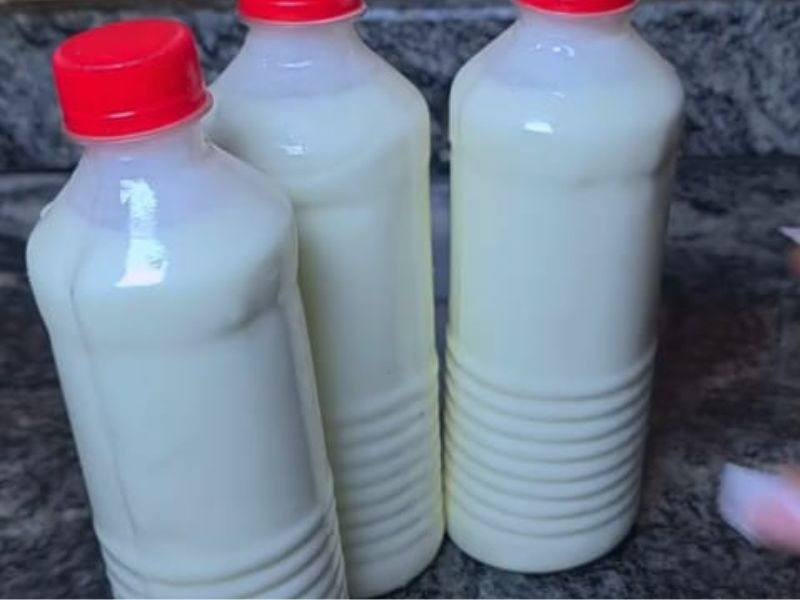
How to make yogurt at home
Hello, my loves! Today, I am going to share something very special with you,a simple, stress-free way to make creamy, sweet Greek yogurt right in your kitchen.
Not only is this recipe delicious, but it can also be a golden opportunity if you’re thinking about starting a small business this year.
Imagine making anywhere between twenty to thirty thousand naira a month from a simple yogurt business! Trust me, yogurt is not just tasty—it’s a marketable, health-friendly product that many people love. So, let’s dive right in.
Why Yogurt Is a Great Choice for a Small Business
Before we jump into the recipe, let’s talk a bit about why yogurt can be one of your best small business targets this year.
Many people nowadays are conscious about their health, and Greek yogurt has become a household favorite because of its creamy texture, protein content, and probiotics.
These probiotics are fantastic for digestion, immunity, and even reducing inflammation. On top of that, yogurt is versatile—you can enjoy it plain, mix it with fruits, or even add flavors like vanilla, banana, or strawberry to attract more customers.
The beauty of starting a yogurt business is that it’s affordable and scalable. For example, with just a kilogram of milk, you can produce enough yogurt to sell and make a good profit margin.
A simple batch can cater to several customers, and as your brand grows, you can explore packaging, flavors, and even online sales.
Alright, my loves, let’s go straight to the recipe!
Ingredients You’ll Need
Here’s everything you need to get started:
Milk
1 kilogram of full-fat milk (from the market; this should cost around four to seven thousand naira depending on your location). Full-fat milk gives that creamy, rich texture, so avoid using low-fat milk for this recipe.
Water
About 18 cups (we’ll talk about this in steps).
Sugar – 1 cup (you can adjust to taste).
Yogurt starter
3 tablespoons (this is your “active culture” that helps the milk turn into yogurt; you can buy a small pack for around three thousand naira).
Optional for flavored yogurt:
Vanilla essence or vanilla powder
Banana flavoring and yellow food coloring
Strawberry flavoring and red food coloring
Step-by-Step Guide to Making Creamy Greek Yogurt
Step 1: Prepare the Milk
Start with your milk. Pour it into a large pot and measure out the quantity. Since we’re using 1 kilogram of milk, this amount is perfect for a small batch that can serve multiple people.
Full-fat milk is key here—it gives you that luscious, creamy consistency that makes Greek yogurt so irresistible.
Next, add water. For 1 cup of milk, you should add 3 cups of water. Yes, some people might add more—like 20 to 25 cups of water—but don’t be tempted.
Adding too much water can reduce the richness of your yogurt and affect the final texture. We want quality over quantity because, remember, this is also a business opportunity.
Finally, add 1 cup of sugar to your mixture. Stir well until it combines perfectly with the milk and water. This ensures that your yogurt will have that subtle sweetness everyone loves.
Step 2: Heat the Milk
Once everything is combined, place the pot on low heat. Slowly heat the milk mixture until you notice small bubbles forming around the edges. Don’t rush this step—heating too fast can burn the milk and affect the flavor.
The ideal temperature for heating milk is just until it begins to bubble lightly—not a rolling boil. This helps to kill any harmful bacteria while keeping the milk ready for incubation.
Step 3: Cool the Milk Slightly
After heating, it’s time to cool the milk. But don’t cool it completely. You want it warm enough so that when you dip your finger, it feels comfortably warm—like the perfect bath temperature for your little one. This ensures that the active bacteria from the yogurt starter can thrive.
The target cooling temperature is around 45 to 46 degrees Celsius. This is crucial because if the milk is too hot, it will kill the active cultures, and if it’s too cold, it won’t ferment properly.
Step 4: Add the Yogurt Starter
Now, it’s time to introduce the magic! Add your yogurt starter—about three tablespoons—to the warm milk. Stir gently but thoroughly to combine. This starter is what will turn your milk into creamy, thick yogurt.
Once combined, cover the pot with a lid, then wrap it with a thick blanket. This method is called incubating, and it’s essential to maintain a stable temperature, allowing the bacteria to work their magic.
Step 5: Incubate for 10–12 Hours
Place your wrapped pot somewhere warm and let it sit undisturbed for 10 to 12 hours. You’ll notice the milk slowly thickening during this period. After about 12 hours, check your blanket—it should feel warm to the touch.
Gently touch the yogurt inside. It should be slightly firm but still soft, with a creamy texture. If your yogurt looks like this, congratulations! You’ve successfully made creamy, homemade Greek yogurt.
If it hasn’t set properly, don’t worry—sometimes it takes a bit longer, depending on the temperature of your kitchen or the freshness of your milk.
Step 6: Flavored Yogurt Options
Once your plain yogurt is ready, you can get creative with flavors. This is where your yogurt business can stand out. Here are some popular options:
Vanilla Yogurt – Mix plain yogurt with a little vanilla essence or powder. Simple, elegant, and loved by everyone.
Banana Yogurt – Add banana flavoring and a tiny bit of yellow food coloring to make it visually appealing.
Strawberry Yogurt – Blend in strawberry flavoring and red food coloring for a bright, inviting look.
Adjust the colors and flavor according to your taste and customer preference. A good tip for business: always start with small batches of flavored yogurt until you know which ones sell best.
Step 7: Packaging and Branding
Branding is important if you’re selling yogurt. You can start simple—use small jars, plastic cups, or containers.
Label them with your brand name, flavor, and any key benefits. If you don’t have a professional logo yet, don’t stress. Many small yogurt sellers start without fancy branding and still make great profits.
Health Benefits of Yogurt
Now, let’s talk about why yogurt is such a favorite. Beyond the taste, it’s packed with health benefits:
Probiotics – Help maintain a healthy gut and improve digestion.
High Protein – Supports muscle growth and keeps you feeling full longer.
Immune Boost – Regular consumption can help fight infections.
Anti-Inflammatory – Helps reduce inflammation and may lower the risk of certain chronic conditions.
Blood Sugar Regulation – Helps reduce the risk of diabetes and improves insulin sensitivity.
Selling yogurt isn’t just profitable; you’re providing a healthy product that people genuinely need.
Tips for Yogurt Entrepreneurs
If you’re planning to turn this into a small business, here are some practical tips:
Consistency is Key – Make sure each batch tastes the same. This builds customer trust.
Experiment with Flavors – Offer seasonal flavors like mango, coconut, or chocolate to attract different customers.
Keep It Fresh – Yogurt lasts about 5–7 days in the fridge. Always sell fresh batches.
Market Smartly – Use social media, WhatsApp groups, or local markets to promote your yogurt.
Scale Gradually – Start small, learn what sells best, and slowly increase production.
Conclusion
Making creamy, healthy yogurt at home doesn’t have to be stressful. With just a kilogram of milk, a little sugar, and an active yogurt starter, you can enjoy a nutritious treat for your family—or turn it into a profitable small business.
Remember, the key steps are heating the milk properly, cooling it to the right temperature, adding your starter, and incubating for 10–12 hours. After that, you can get creative with flavors, packaging, and branding.
So, my loves, what are you waiting for? Grab your milk, fire up your pot, and start making your own homemade Greek yogurt today. Not only will your kitchen smell amazing, but your taste buds—and maybe even your bank account—will thank you.
Happy yogurt-making, my loves! 💛
YOU MAY ALSO LIKE: