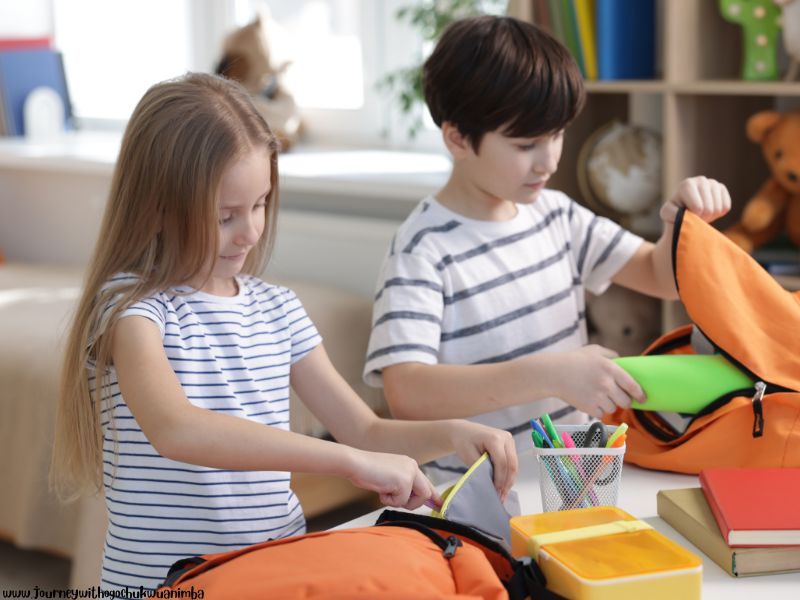
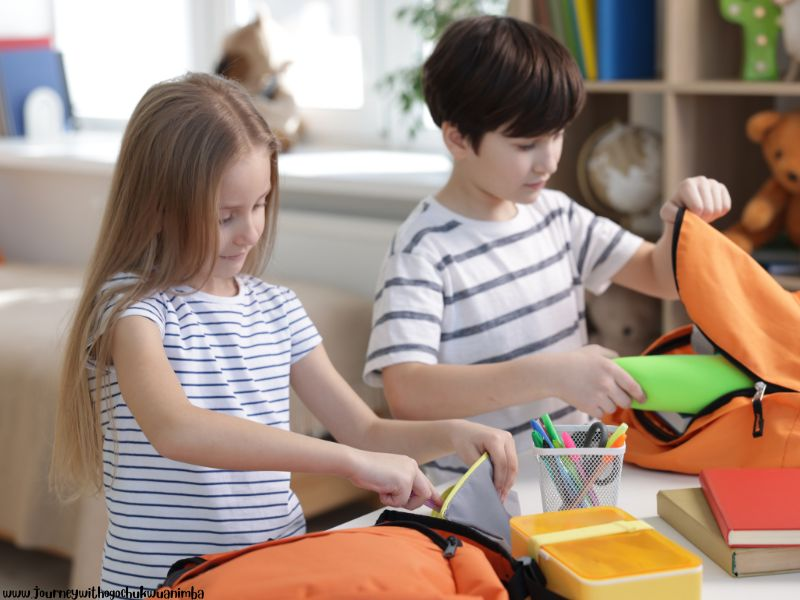
Many parents focus so much on school results that they forget the habits children need for life. Good habits shape behavior, build character and make children independent and kind. Teaching these habits early gives kids a head start—not only in exams but in becoming responsible adults.
Below are twelve simple habits you can teach your child. Each habit includes easy steps, practical tips, and reasons why it matters. Use gentle teaching, steady repetition, and lead by example. Children copy what they see.
1. Eat a balanced plate
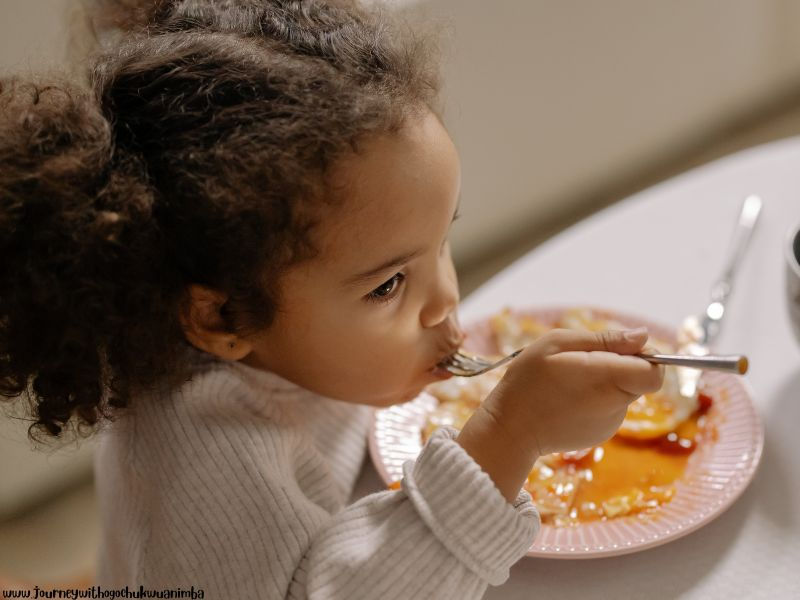
Healthy eating is more than one meal — it is a habit. Encourage your child to eat different foods: grains, proteins, vegetables, fruits, and dairy or alternatives. Make vegetables fun: colourful plates, tiny dips, or food art can help picky eaters.
Tips: Serve small portions of new foods with familiar favourites. Avoid using sweets as rewards. Explain why different foods help the body grow, think, and play.
Why it matters: Good nutrition supports growth, learning, and energy. Children who eat well have better focus at school and are less likely to get sick.
2. Brush and care for teeth
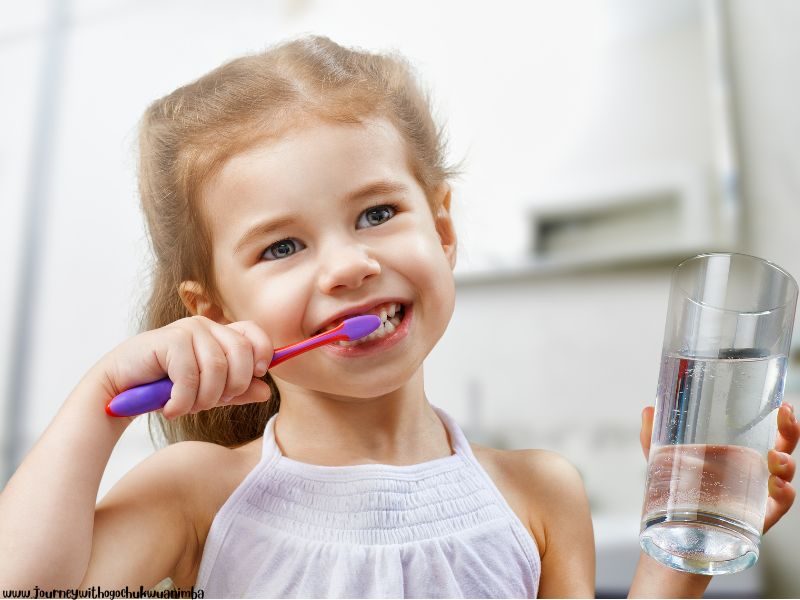
Teaching children to brush twice a day and floss when old enough prevents cavities and builds self-care. Show them how to brush properly: small circles, gentle pressure, two minutes each time.
Tips: Use a fun toothbrush, a two-minute song, or a timer to make brushing enjoyable. Brush together in the morning and before bed to model the habit.
Why it matters: Oral health protects a child’s smile and keeps them comfortable. It also strengthens routines and responsibility.
3. Wash hands regularly
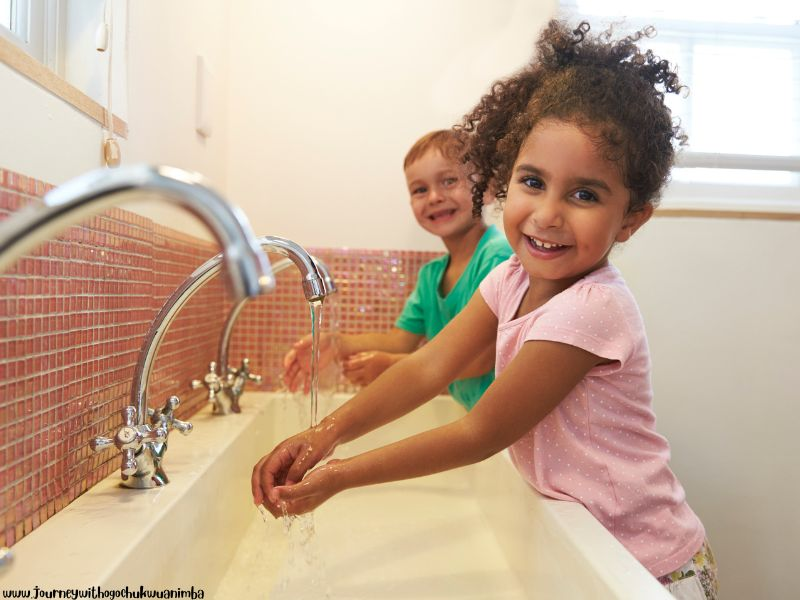
Handwashing keeps germs away. Make it a habit before meals, after using the toilet, and after play. Teach children to use soap and sing or count for twenty seconds while washing.
Tips: Place a small stool by the sink for toddlers. Use colourful soap or a hand towel with their favourite character.
Why it matters: Clean hands prevent many illnesses. This simple good habits for kids at home saves time and worry for parents when kids stay healthy.
4. Sleep on schedule
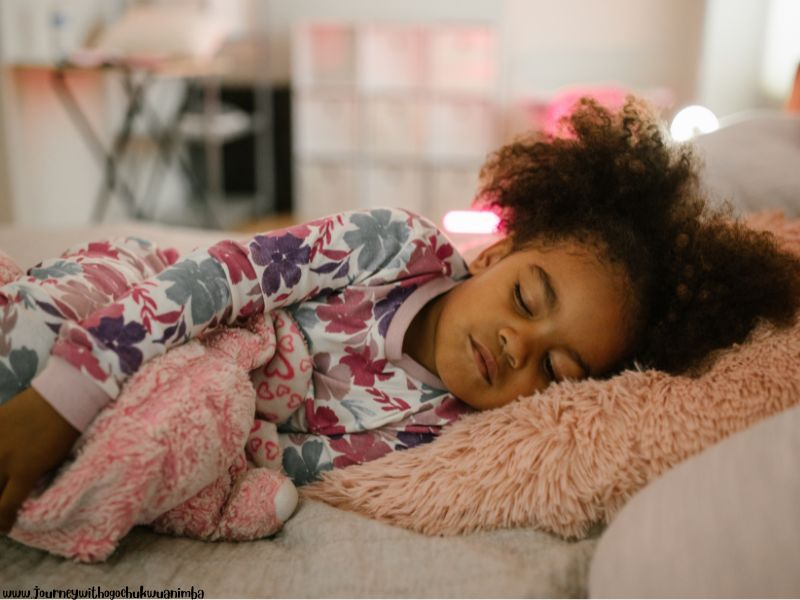
A steady sleep routine — going to bed and waking up at the same time — helps a child’s body and mind. Set a calm bedtime routine: bath, story, soft lights, and no screens at least 30 minutes before sleep.
Tips: Aim for the right hours of sleep for your child’s age. Avoid late night sugary drinks and heavy meals close to bedtime.
Why it matters: Good sleep improves mood, memory, behaviour, and growth. Children who sleep well learn better and have more energy for play.
5. Keep things tidy
Teaching children to tidy their room or put toys away builds order and self-discipline. Start with small chores: make a bed, put laundry in a basket, or arrange books on a shelf.
Tips: Use simple rules and timers. Ten minutes of shared tidying every day is more effective than long cleaning sessions. Praise effort, not perfection.
Why it matters: A tidy space reduces stress, saves time, and teaches responsibility. These small tasks shape good habits for kids at home that last into adulthood.
6. Limit screen time
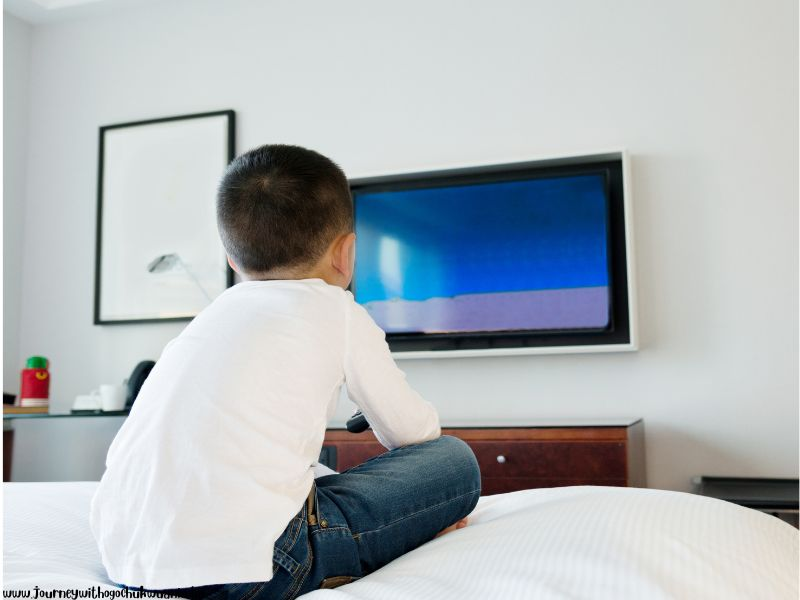
Screens are useful but easy to overuse. Set clear limits on TV, tablets, and phones. Offer alternatives: outdoor play, reading, crafts, or family games.
Tips: Create screen-free times, such as during meals or an hour before bed. Be a role model by limiting your own screen use at key family times.
Why it matters: Too much screen time can harm sleep, attention, and social skills. Balance helps children develop other interests and healthier routines.
7. Read something every day
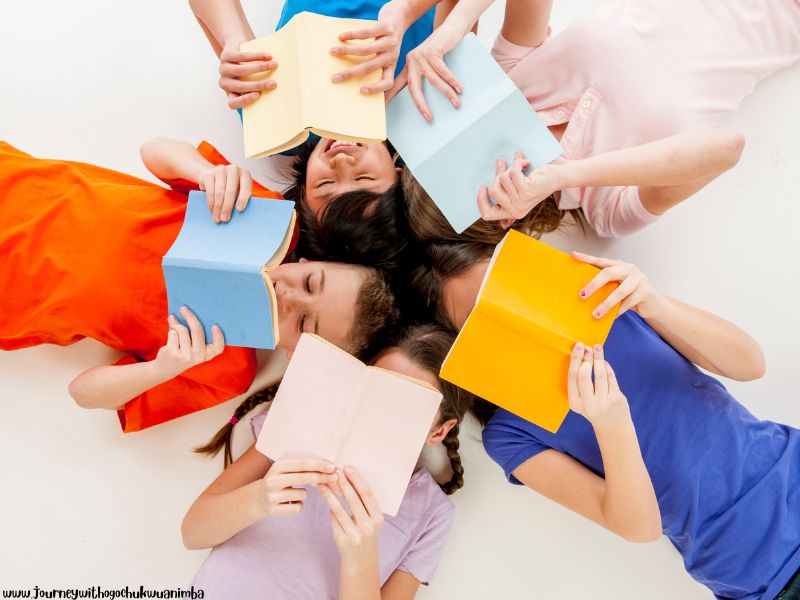
Reading daily builds language, imagination, and focus. It can be a bedtime story, a short chapter, or even labels and signs during a walk.
Tips: Let your child choose books they enjoy. Read together, take turns, and ask simple questions about the story to boost comprehension.
Why it matters: Regular reading improves vocabulary and school performance. It also strengthens the parent-child bond.
8. Be kind and give
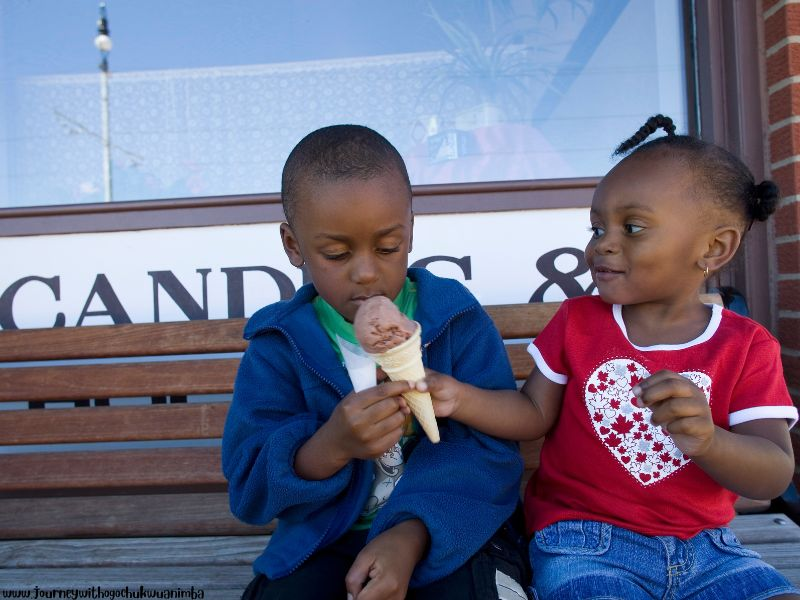
Teach children to share, say thank you, and help others. Small acts — giving a snack to a friend, helping set the table, or donating toys — teach compassion.
Tips: Model kindness in daily life. Praise kind acts and talk about feelings: “How do you think that made them feel?”
Why it matters: Kindness builds emotional intelligence and strong relationships. Generous children often feel happier and more connected.
9. Respect others and avoid bullying
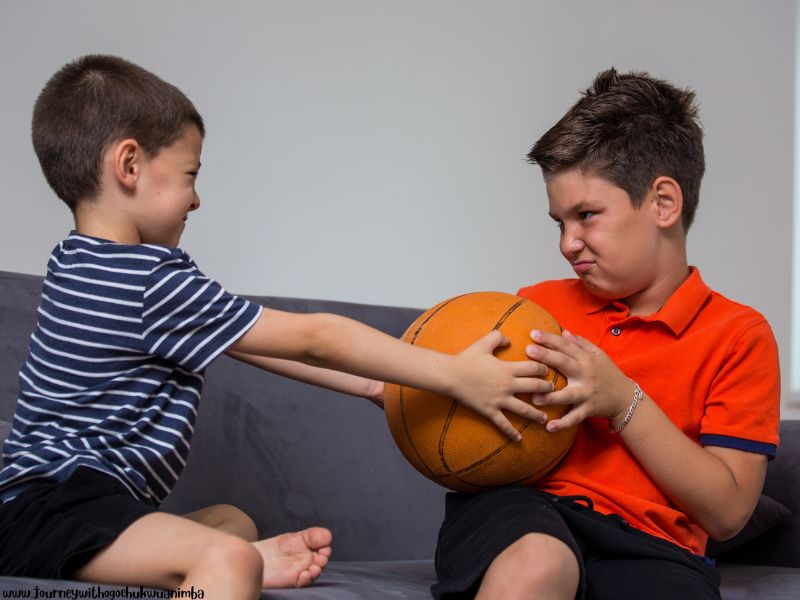
Teach respect for different people and discourage teasing or bullying. Explain that differences are normal and that hurting others is not acceptable.
Tips: Use role-play to show respectful responses. Intervene if you see mean behaviour and set consequences calmly and firmly.
Why it matters: Respecting others keeps schools and playgrounds safer. It also helps children form healthy friendships.
10. Handle money wisely
Money habits start young. Teach simple saving and spending rules, like saving a part of pocket money or making small plans for purchases.
Tips: Use jars for saving, spending, and sharing. Give small, earned allowances for chores and discuss choices: “Do we spend now or save for something bigger?”
Why it matters: Early money skills lead to better financial choices later. Children learn patience and planning.
11. Play outside regularly
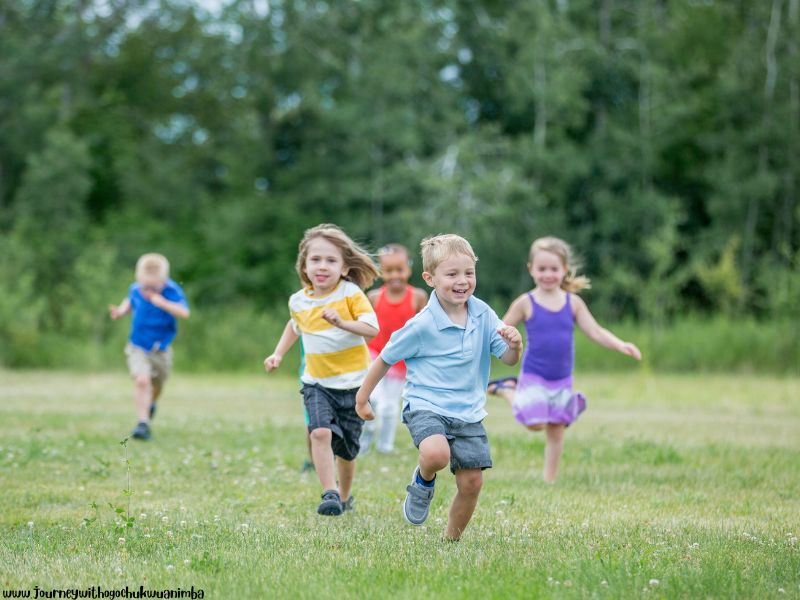
Outdoor play develops the body, balance, and creativity. Encourage daily outdoor time: a walk, ball games, biking, or just exploring in the yard.
Tips: Make outside time routine after school or before dinner. Join the play when you can; children love active parents.
Why it matters: Sunlight, fresh air, and movement support health, reduce stress, and build social skills.
12. Value family time
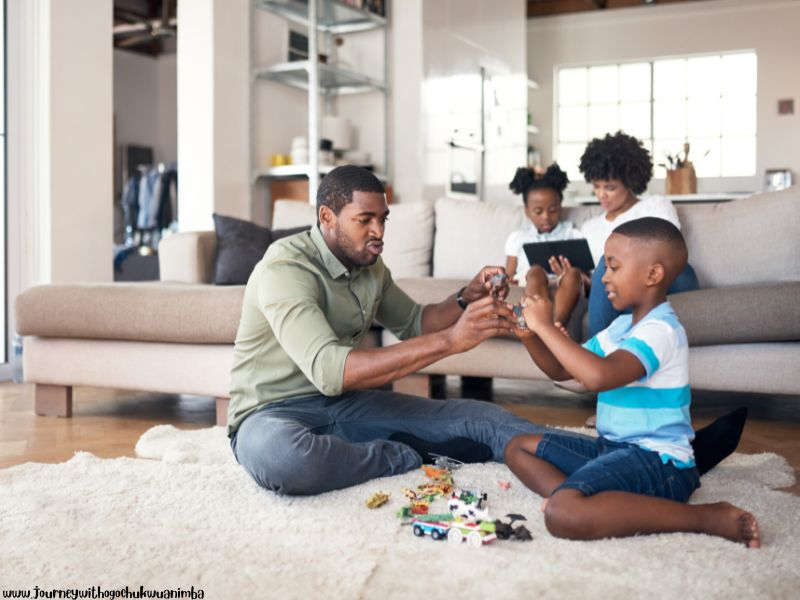
Teach children to appreciate family moments. Simple traditions — shared meals, weekend walks, or evening talks — create belonging and trust.
Tips: Create a few family rituals, like a Sunday breakfast or bedtime chats. Give children your full attention during these moments.
Why it matters: Strong family bonds give children security and confidence. They learn values, manners, and empathy from family interactions.
How to Teach These Habits
-
Lead by example. Children learn fastest by copying adults. Show, don’t only tell.
-
Be patient and consistent. Habits form with repetition. Small steps every day add up.
-
Make it positive. Praise effort, use gentle reminders, and avoid harsh punishments.
-
Turn learning into play. Songs, games, and charts keep kids interested.
-
Use age-appropriate tasks. Give simple chores to little ones and more complex tasks to older children.
-
Explain the why. When children understand reasons, they cooperate more willingly.
Practical tips and small routines
Here are easy routines you can start today to make these good habits for kids at home stick.
-
Morning starter: Wake up at the same time, wash hands and face, brush teeth, and have a simple breakfast with fruit. A short 10-minute tidy-up helps set a calm tone for the day.
-
After-school routine: A snack, 20–30 minutes of outdoor play, then 20–30 minutes of reading or homework. Keep screens only after homework and chores.
-
Evening wind-down: Turn off screens 30 minutes before bed. Share a short story, review the day, and set out clothes for the next day.
How to introduce each habit
-
Start small: If your child resists, break the good habits for kids at home into tiny steps. For example, for brushing, begin with brushing once a day for 30 seconds then build up.
-
Use visuals: Charts with stickers, timers, and picture steps help children follow routines independently.
-
Make it a family thing: When everyone eats a balanced meal or reads for 15 minutes, children are more likely to join in.
-
Offer choices: Let children choose between two vegetables or pick which book to read. Choices create ownership and reduce power struggles.
Dealing with setbacks
Habit building is not always smooth. Expect forgetfulness, resistance, and bad days. When setbacks happen:
-
Stay calm and patient. A short talk is more effective than scolding.
-
Return to small steps. Reinforce the first easy step until it becomes automatic again.
-
Celebrate small wins. Praise and a high-five work better than rewards like sweets.
Quick activities to teach habits
-
Food game: Make a rainbow plate — try at least one red, one green, and one yellow food.
-
Dental song: Sing a two-minute song while brushing to make sure of the time.
-
Handwash rhyme: Teach a short rhyme for twenty seconds of soap and water.
-
Screen contract: Create a simple family agreement about screen time and post it where everyone can see it.
Age ideas: what to expect
-
Toddlers (1–3 years): Can help put toys away, try new foods, and enjoy short stories.
-
Preschool (3–5 years): Can brush with help, set simple chores, and follow a bedtime routine.
-
Early school (6–9 years): Can tidy a room, manage small allowances, and read short chapters.
-
Tweens (10–12 years): Can take responsibility for daily tasks, save money, and handle longer reading and chores.
When to ask for help
If you notice extreme resistance, persistent sleep problems, poor eating over months, or social issues like excluding others, consider talking to a teacher, paediatrician, or counsellor. Sometimes a small professional nudge helps.
Conclusion
Raising children with good habits for kids at home is more marathon than sprint. It is okay to feel tired; every parent does. Keep trying, adapt as your child grows, and remember that consistency matters more than perfection. Little lessons repeated daily form the strongest habits. You are building a life toolkit for your child—one habit at a time.
Start with one habit this week—pick a simple step, be patient, and celebrate progress. Small, steady changes become strong habits. Your consistency will shape your child’s future more than you might imagine.
Keep going, parents, always.
You May Also Like:


One thought on “12 Essential Good Habits For Kids At Home”
Comments are closed.