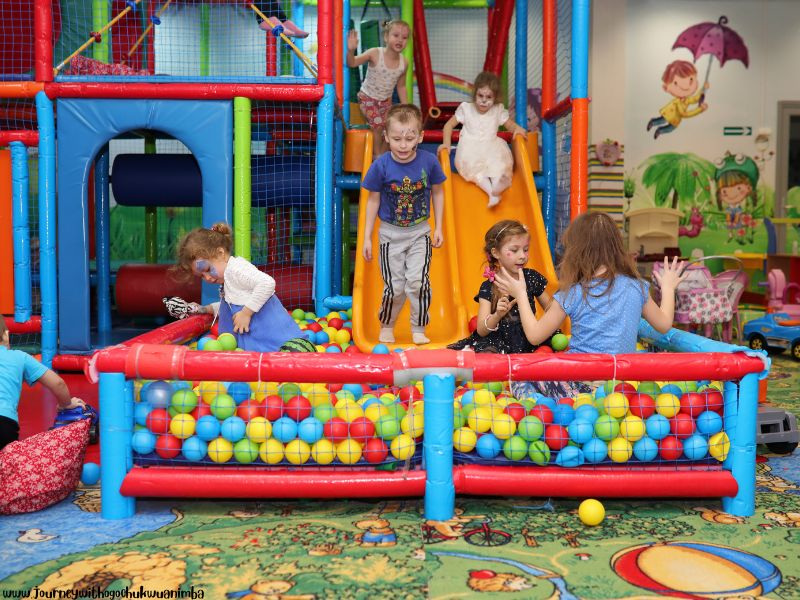
Fun Indoor Games to Keep Kids Active at home can sometimes feel like a challenge. With video games, tablets, and television capturing their attention, finding ways to keep them moving, learning, and having fun indoors can be tricky. But there are plenty of indoor activities that are exciting, educational, and can even improve physical fitness. In this article, we’ll explore 30 indoor games for kids that will help them stay active, develop new skills, and enjoy quality time with family.
What Are Indoor Activities for Kids?
Fun Indoor Games to Keep Kids Active for children are games and exercises that can be done inside the home or in a safe indoor space. Unlike purely screen-based entertainment, these activities encourage physical movement, problem-solving, creativity, and teamwork. They are ideal for rainy days, evenings, or when outdoor play isn’t possible.
Indoor activities don’t have to be boring or just for quiet play—they can be energetic, fun, and educational all at the same time.
Why Indoor Activities Are Important
-
Physical Development: Children need regular movement to strengthen their muscles, bones, and coordination.
-
Cognitive Growth: Games that require thinking, memory, or strategy help improve brain development.
-
Social Skills: Playing with siblings, parents, or friends helps children learn teamwork, communication, and sharing.
-
Creativity and Imagination: Many indoor games inspire creative thinking, whether building with blocks or acting in charades.
-
Reduced Screen Time: Encouraging Fun Indoor Games to Keep Kids Active, engaged in healthy, productive ways rather than just watching screens.
30 Indoor Activities for Kids
Here’s a carefully curated list of Fun Indoor Games to Keep Kids happy, active, and learning:
1. Indoor Hopscotch
Hopscotch isn’t just for outside! Use tape, chalk, or cardboard squares to create a hopscotch board on the floor. Kids throw a small object into a square and hop through the sequence. It improves balance, counting skills, and coordination.
2. DIY Boomerangs
Making a boomerang from cardboard or thick paper is both fun and educational. Children learn shapes, angles, and hand-eye coordination. Once made, they can safely throw it indoors (with soft materials) or in a backyard.
3. Word Games (Scrabble, Boggle)
Word games like Scrabble or Boggle boost vocabulary, concentration, and spelling skills. They are ideal for children who enjoy a quiet but challenging activity. Family members can join for extra fun.
4. Balloon Volleyball
All you need is a balloon! Children hit the balloon back and forth, keeping it in the air. Balloon volleyball improves reflexes, motor skills, and hand-eye coordination. You can even add a point system to make it competitive.
5. Charades
Dumb Charades is a fantastic way to get kids thinking on their feet. One player acts out a word or phrase while others guess. You can adapt it for younger kids using simple actions like eating, running, or singing.
6. Musical Chairs
Arrange chairs in a circle and play music. When the music stops, children must find a chair to sit on. This game encourages speed, reflexes, and fun competitiveness. Make sure the area is safe to avoid accidents.
7. Indoor Scavenger Hunt
Create a list of items for children to find around the house. For example, a red sock, a favorite book, or a round object. Scavenger hunts improve observation skills, problem-solving, and shape or color recognition.
8. Bowling at Home
Set up plastic bottles filled with old clothes or sand as pins. Children roll a soft ball to knock them down. This activity teaches coordination and introduces basic physics concepts in a playful way.
9. Domino Fun
Dominoes are perfect for quieter indoor play. Kids can build patterns or play the traditional game. It enhances focus, counting skills, and logical thinking.
10. Dice Games (Ludo, Snakes & Ladders)
Dice games are entertaining and educational. Ludo, for example, teaches counting, strategy, and patience. Playing board games like these encourages friendly competition and family bonding.
11. Building Blocks
Whether using Lego, wooden blocks, or other materials, building blocks encourage creativity, problem-solving, and motor skill development. Children can construct houses, vehicles, or imaginative designs.
12. Drawing & Pictionary
Give children paper and markers and play Pictionary or free drawing. This activity stimulates creativity and memory. Pictionary also encourages children to communicate ideas visually and work in teams.
13. Marbles
A simple yet classic game, marbles teach precision, patience, and geometry concepts. Children can play individually or in groups, competing to knock marbles out of a ring.
14. Jenga
Jenga challenges focus, strategy, and hand-eye coordination. Players carefully remove blocks from a tower without toppling it. This game also encourages calmness and patience.
15. Tic-Tac-Toe
A simple paper-and-pen game, tic-tac-toe teaches strategic thinking. Children learn to plan moves and anticipate their opponent’s next step.
16. Monopoly & Finance Games
Board games like Monopoly teach math skills, financial literacy, and negotiation. They can be fun for the whole family while encouraging thinking about strategy and money management.
17. Hammer Ball or Soft Pounding Games
These games help toddlers and young children improve hand-eye coordination and motor skills. They are easy to play indoors with safe, soft tools.
18. Clay Modeling
Playing with clay allows children to sculpt, create, and explore textures. This activity boosts creativity, fine motor skills, and sensory development.
19. Hide and Seek
This classic game is not just for outdoors. Indoors, children can find hiding spots in rooms and behind furniture. It helps develop spatial awareness and problem-solving.
20. Matching Card Games
Memory games using cards with objects, letters, or colors help children enhance memory, concentration, and recognition skills.
21. Juggling with Soft Objects
Kids can juggle soft balls or fruits like oranges to improve focus, coordination, and reflexes. Juggling is a playful way to boost physical activity indoors.
22. Indoor Obstacle Course
Set up pillows, chairs, and soft objects to create a mini obstacle course. Kids crawl, jump, and balance their way through. This game improves agility, strength, and problem-solving.
23. Sack Race
Use jute sacks or pillowcases for a hopping race indoors or in a small backyard. This game is fun, energetic, and promotes teamwork.
24. Hula Hooping
Hula hooping strengthens core muscles, improves balance, and increases flexibility. Children can take turns and even try small hula hoop challenges.
25. Passing the Parcel
Players pass a wrapped parcel while music plays. When the music stops, the player with the parcel performs a fun task. This encourages listening skills, anticipation, and social interaction.
26. Name, Place, Animal, Thing
A simple game to boost vocabulary and memory. Pick a letter and have children write down a name, place, animal, or object starting with that letter. Keep score for added competition.
27. Mini Indoor Basketball
Set up a small basketball hoop inside the home. This game promotes physical activity, aim, and coordination, especially for children who enjoy sports.
28. Lemon & Spoon Race
Balance a lemon or small ball on a spoon while moving from start to finish. It’s a fun way to develop balance, focus, and patience.
29. Floor is Lava
Place pillows, mats, or soft objects on the floor and have children pretend the floor is hot lava. Kids must navigate without touching the floor, improving agility and imaginative play.
30. Dog and the Bone
Divide children into teams and place a small object in a central area. Players race to grab it and return to their team. This game encourages teamwork, speed, and strategy.
Benefits of Indoor Games for Kids
1. Physical and Mental Growth
Indoor games help children develop physically, emotionally, and socially. Activities that involve movement support muscle development and coordination, while thinking games improve concentration and problem-solving.
2. Learning New Skills
Indoor activities often teach creativity, negotiation, and teamwork. Children learn practical life skills while having fun.
3. Vocabulary and Language Development
Games like Pictionary, Scrabble, and charades help expand vocabulary and encourage reading, writing, and language development.
4. Healthy Weight and Fitness
Activities that involve movement, such as balloon volleyball, obstacle courses, and hopping games, help children burn calories and stay fit, reducing the risk of obesity.
Final Thoughts
Fun Indoor Games to Keep Kids and engaged at home doesn’t have to be complicated. By combining creativity, learning, and movement, indoor games provide countless opportunities for growth, skill development, and family bonding. Whether it’s building towers, solving puzzles, racing with sacks, or playing word games, every activity helps children stay happy, healthy, and curious.
Encourage your children to try a mix of these 30 indoor activities and spend time joining them—it’s a wonderful way to create lasting memories while promoting their physical, cognitive, and social development.
you may also like: